

















































Unlock a Rewarding Career: Five Top Government Corrections Jobs
Introduction
When most people think of government jobs, positions like teachers, postal workers, or military personnel often come to mind. However, there is another sector of government employment that is often overlooked but equally as important: corrections. Government corrections jobs offer a unique opportunity to make a real difference in people's lives while enjoying a stable and fulfilling career, as you'll see with nearly every job posting.
Many people have preconceived notions about what it means to work in corrections. They may envision tough, unapproachable guards or a grim, oppressive environment. But the reality is far more complex and rewarding than these stereotypes suggest.
Corrections professionals come from all walks of life and bring a wide range of skills and experiences to their roles. What they share is a commitment to public safety, a desire to help others, and the willingness to face challenges head-on.
Don't let misconceptions hold you back from exploring a career in corrections. The rewards – both personal and professional – may surprise you.
In this blog post, we'll take a deep dive into five of the most common and rewarding government corrections positions, exploring the unique responsibilities, challenges, and opportunities that each role offers.
So if you're ready to unlock a rewarding career that offers both personal and professional fulfillment, keep reading. In the following sections, we'll take a closer look at five government corrections positions that might just be the perfect fit for your skills, interests, and career goals.
Correctional Officer
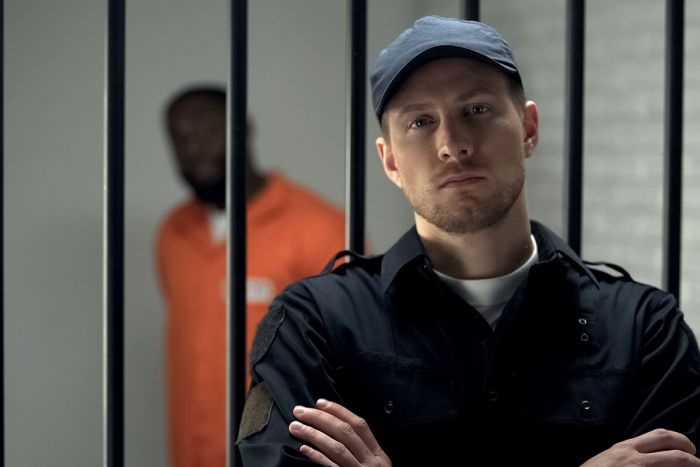
Correctional officers form the backbone of the prison system, ensuring the safety, security, and smooth operation of correctional facilities through constant and direct supervision. But being a correctional officer is about much more than just locking doors and counting heads. It's a challenging, rewarding career that offers particular knowledge as well as the opportunity to improve the lives of offenders and the community as a whole.
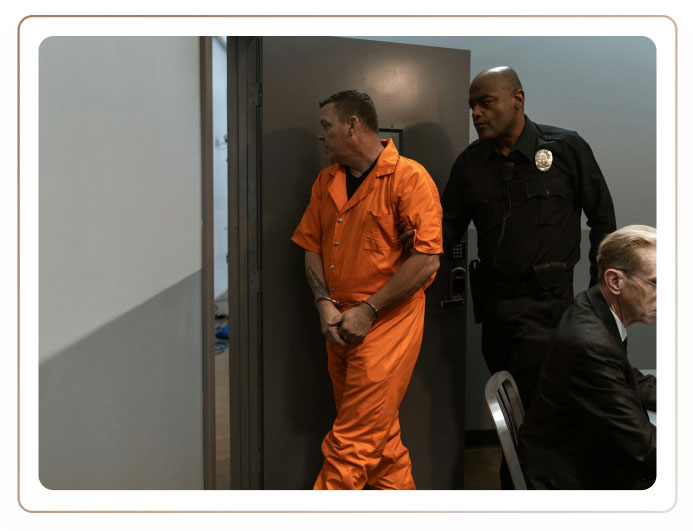
At its core, the role of a correctional officer is to maintain order and security within the prison and abide by regulations governing facility security. This involves a wide range of duties, from conducting regular checks and searches to responding to emergencies and escorting offenders to court appearances or medical appointments. Correctional officers must be alert, physically fit, and able to think on their feet in high-pressure situations.
But the job isn't just about enforcing rules and regulations. Correctional officers also play a vital role in the rehabilitation process, working closely with offenders to help them develop new skills, address underlying issues, and prepare for successful reentry into society. This might involve facilitating educational or vocational programs, providing guidance and support, or simply being a positive role model and source of encouragement.
Of course, the job comes with its share of challenges. Correctional officers must be prepared to deal with difficult, sometimes dangerous individuals and situations. They may face verbal abuse, physical threats, or even violence in the line of duty. But for those with the right temperament and training, these challenges can be incredibly rewarding.

One of the key benefits of being a correctional officer is the opportunity for career growth and advancement. Many officers start out in entry-level positions and work their way up the ranks, taking on roles like sergeant, lieutenant, or even warden. Along the way, they have access to comprehensive training programs and opportunities to specialize in areas like crisis intervention, gang intelligence, or K-9 handling.
As a correctional officer, your career path is limited only by your own ambition and drive. The sky's the limit for those who are willing to put in the work and embrace new challenges.
In addition to the personal and professional rewards, correctional officers also enjoy competitive salaries, comprehensive benefits packages, and the stability of government employment. Many jurisdictions offer retirement plans, paid time off, and opportunities for overtime and special assignments.
Who says you can't have a fulfilling career and financial security at the same time? As a correctional officer, you can enjoy the best of both worlds.Being a correctional officer is more than just a job – it's a calling. It's a chance to serve your community, make a real difference in people's lives, and be part of something bigger than yourself. If you're looking for a career that offers challenge, purpose, and endless opportunities for growth, look no further than the noble profession of correctional officer.
Probation Officer
When an offender is released from prison or sentenced to probation, they face a difficult transition back into society. This is where probation officers come in – serving as a bridge between the criminal justice system and the community, helping offenders navigate the challenges of reentry and build a foundation for a better future.
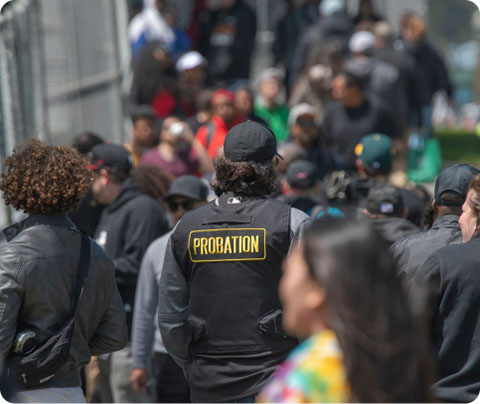
At the heart of the probation officer's role is the responsibility to monitor offenders' compliance with the terms of their probation or parole. This involves regular check-ins, drug tests, and home or work visits to ensure that offenders are staying on track and meeting their court-ordered obligations. But the job is about much more than just enforcement.
Probation officers also play a critical role in connecting offenders with the resources and support they need to succeed. This might involve referring them to job training programs, substance abuse treatment, or mental health services. It could mean helping them find stable housing, repair family relationships, or develop new life skills. Whatever the specific needs, probation officers are there to help offenders overcome barriers and build a path to a brighter future.
Of course, the job is not without its challenges. Probation officers work with individuals who have complex needs and often troubled pasts. They may face resistance, setbacks, and even danger in the course of their duties. But for those with the right combination of empathy, firmness, and problem-solving skills, these challenges can be incredibly rewarding.
Every success story – every offender who turns their life around, every family reunited, every community made safer – is a testament to the vital work that probation officers do every day.
A probation officer is a changemaker and a force for good in your community.
In addition to the intrinsic rewards, probation officers also enjoy competitive salaries, comprehensive benefits, and the opportunity for career growth and specialization. Many officers go on to become supervisors, program managers, or even policymakers, shaping the future of the corrections system and the lives of countless offenders.
Whether you're just starting out or looking to take your career to the next level, the field of probation offers endless opportunities to learn, grow, and make your mark.Being a probation officer is about believing in the power of second chances. It's about seeing the potential in every offender, no matter their past mistakes, and working tirelessly to help them realize that potential. It's about being a force for practical solutions and positive change in a system that too often focuses on punishment over rehabilitation.

Substance Abuse Counselor
Substance abuse is a pervasive problem in the criminal justice system, with a significant proportion of offenders struggling with addiction issues in an alcoholic rehabilitation program or the like. For these individuals, recovery isn't just a matter of willpower – it's a complex journey that requires professional help, support, and guidance. That's where substance abuse counselors come in.
Substance abuse counselors in correctional settings work closely with offenders to assess their addiction issues, develop individualized treatment plans, and provide ongoing counseling and support. This might involve conducting one-on-one therapy sessions, leading group discussions, or facilitating educational workshops on topics like relapse prevention and coping skills.
But the job isn't just about treating the addiction itself. Substance abuse counselors also help offenders address the underlying issues that may have contributed to their substance use, such as trauma, mental illness, or social and economic disadvantage. By taking a holistic approach to recovery, counselors help offenders build the resilience, self-awareness, and life skills they need to maintain sobriety and avoid recidivism with responsible rehabilitation work.
Working as a substance abuse counselor in corrections can be challenging, as many offenders have long histories of addiction and complex co-occurring disorders. Counselors must be prepared to deal with resistance, setbacks, and the ever-present risk of relapse. But for those with a strong commitment to recovery and a belief in the power of redemption, these challenges can be immensely rewarding.

By helping offenders overcome addiction and build new lives, counselors play a vital role in reducing recidivism, promoting public safety, and strengthening communities.
A substance abuse counselor is part of a larger movement to break the cycle of addiction, crime, and incarceration that affects us all.
In addition to the intrinsic rewards, substance abuse counselors in corrections also enjoy competitive salaries, comprehensive benefits, and opportunities for professional growth and development. Many counselors go on to become supervisors, program directors, or even researchers, shaping the future of addiction treatment in the criminal justice system.
The field of correctional substance abuse counseling offers endless opportunities to deepen your skills, expand your impact, and advance your professional goals.Being a substance abuse counselor in corrections is about prioritizing recovery and the inherent worth of every human being. It's about seeing beyond the addiction, the criminal record, and the prison walls to the person underneath – the person who has the potential to change, to heal, and to thrive.
Correctional Nurse
We often picture nurses in hospitals or clinics, tending to the sick and injured. But there's another group of nurses who serve in a different kind of frontline: correctional nurses, who provide critical care to one of society's most underserved populations.

Correctional nurses are responsible for assessing, diagnosing, and treating the medical needs of inmates in prisons, jails, and other detention facilities. This can include everything from conducting intake assessments and administering medications to managing chronic illnesses and responding to medical emergencies. Correctional nurses also play a key role in promoting preventive health, educating inmates on topics like hygiene, nutrition, and disease prevention.
Correctional nurses must navigate the unique challenges and complexities of working in a secure facility, such as maintaining safety protocols, managing limited resources, and building rapport with patients who may be distrustful or resistant to care. It takes a special combination of clinical skill, adaptability, and compassion to excel as a correctional nurse.
One of the most rewarding aspects of being a correctional nurse is the opportunity to make a real difference in the lives of a population that is often overlooked and stigmatized.
By providing high-quality, compassionate care, correctional nurses help to improve inmates' physical and mental health, reduce the spread of infectious diseases, and promote successful community reintegration after release.A correctional nurse plants seeds of hope, healing, and change that can last a lifetime.
Correctional nursing also offers unique opportunities for professional growth and specialization. Many correctional nurses go on to become leaders in their field, developing expertise in areas like mental health, geriatrics, or infectious disease control. Some even become advocates for reform, working to improve healthcare policies and practices in the criminal justice system.
Whether you're a seasoned nurse looking for a new challenge or a new graduate eager to make your mark, the field of correctional nursing offers endless opportunities to learn, grow, and advance your career while making a real difference.
In addition to the intrinsic rewards, correctional nurses also enjoy competitive salaries, comprehensive benefits, and the stability of government employment.
Many correctional facilities offer flexible schedules, opportunities for overtime, and support for continuing education and professional development.Being a correctional nurse is about promoting compassion, the dignity of every human being, and the transformative potential of healthcare. It's about being a light in the darkness, a voice for the voiceless, and a catalyst for positive change in a system that too often prioritizes punishment over rehabilitation.
Correctional Social Worker
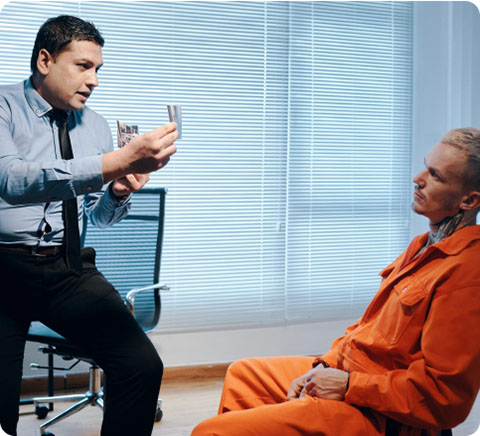
We often see social workers working in schools, hospitals, or sometimes a mental health lockdown facility, helping individuals and families in need. But there's another group of social workers who serve in a different kind of frontline: correctional social workers, who provide critical support and guidance to one of society's most vulnerable and overlooked populations.
Correctional social workers play a vital role in the rehabilitation and reintegration of offenders, working with them to address the complex social, emotional, and environmental factors that may have contributed to their criminal behavior. This can include conducting assessments and interviews, developing individualized treatment plans, providing counseling and therapy, and connecting offenders with community resources and support systems.
Correctional social workers also work to promote positive change at the systemic level, advocating for policies and practices that prioritize rehabilitation, restorative justice, and community reintegration over punishment and retribution. They collaborate with other professionals, such as correctional officers, healthcare providers, and educators to create a more holistic and effective approach to offender rehabilitation.
By providing compassionate, trauma-informed care and support, correctional social workers help offenders to heal from past wounds, develop new coping skills and perspectives, and build the foundations for a more positive and productive future.
A correctional social worker helps break the intergenerational cycles of trauma, poverty, and incarceration that affect entire communities.
Correctional social work also offers unique opportunities for professional growth and specialization. Many correctional social workers go on to become leaders in their field, developing expertise in areas like mental health, substance abuse, or restorative justice. Some even become advocates for reform, working to transform the criminal justice system from the inside out.
In addition to the intrinsic rewards, correctional social workers also enjoy competitive salaries, comprehensive benefits, and the opportunity to work in a variety of settings, from minimum-security facilities to community-based programs. Many correctional agencies also offer support for continuing education and professional development, helping social workers to stay at the forefront of their field.
Being a correctional social worker is about believing in the power of redemption, the resilience of the human spirit, and the potential for positive change even in the darkest of circumstances. It's about being a beacon of hope, a catalyst for transformation, and a fierce advocate for justice and human dignity.
Conclusion
From correctional officers and probation officers to substance abuse counselors and social workers, we've seen how each role plays a vital part in the larger mission of promoting public safety, reducing recidivism, and helping offenders turn their lives around. It's about much more than the job title. To anyone asking, "Are personal attributes important?" the answer is definitely yes.
If you've read this far, chances are you're someone who is drawn to a career that is both personally fulfilling and socially impactful. A career in government corrections might just be the perfect fit for you.In a world that often feels divided and broken, a career in corrections offers a rare opportunity to be part of the solution – to bring light into the darkness, hope into the hopeless, and change where it's needed most.
Of course, working in corrections is not for the faint of heart. It requires a special combination of strength and compassion, firmness and flexibility, realism and idealism.

It means being willing to confront some of society's most complex and intractable problems head-on, and to keep showing up day after day, even when progress feels slow or setbacks are frequent.
But for those who are called to this work, the rewards are immeasurable: the satisfaction of seeing an offender reunite with their family, land a steady job, or celebrate a year of sobriety; the pride of knowing you've played a part in making your community safer, stronger, and more just; the deep sense of purpose that comes from dedicating your career to a cause greater than yourself.